Turbulent skin-friction drag accounts for a significant portion of the total aerodynamic resistance for civil aircraft, underwater vehicles, and long-distance pipelines. In the context of global sustainability and the "Dual Carbon" goals, developing effective turbulent drag reduction (TDR) and flow control technologies is more critical than ever to enhance energy efficiency and reduce carbon emissions. While traditional passive methods (e.g., riblets) and active strategies (e.g., synthetic jets, plasma actuators) have demonstrated potential, bridging the gap between fundamental physics and practical engineering applications—especially in high-Reynolds number wall-bounded flows—remains a formidable challenge.
The recent emergence of "AI4Science" has introduced a new paradigm for this field. The integration of data-driven techniques, such as reduced-order modeling, sparse discovery of drag-reducing structures, and reinforcement learning, offers unprecedented opportunities to uncover complex turbulence mechanisms and optimize control laws in real-time. This Special Session aims to provide a multidisciplinary platform for researchers to discuss the latest advancements in turbulence theory, numerical simulations, and innovative control strategies. We particularly welcome contributions that leverage intelligent algorithms to address the multi-scale and non-linear challenges of turbulent flows.
Topics of interest include, but are not limited to:
Passive drag reduction techniques (riblets, superhydrophobic surfaces, etc.)
Active flow control strategies and actuators
High-Reynolds number wall-bounded turbulence physics
AI and machine learning for flow control and optimization
Reduced-order modeling and modal analysis (DMD, POD, etc.) in turbulence
Sparse discovery of coherent structures for drag reduction
Numerical methods and high-fidelity CFD for flow control
Experimental investigations and sensor technologies for turbulence control
Stability analysis and transition control
Industrial applications of flow control in aerospace engineering
We welcome contributions that advance the fundamental understanding and promote the engineering implementation of turbulent drag reduction and flow control technologies.
Please submit your manuscript via Online Submission System: https://easychair.org/conferences/?conf=meae2026
Please choose "Special Session 5"
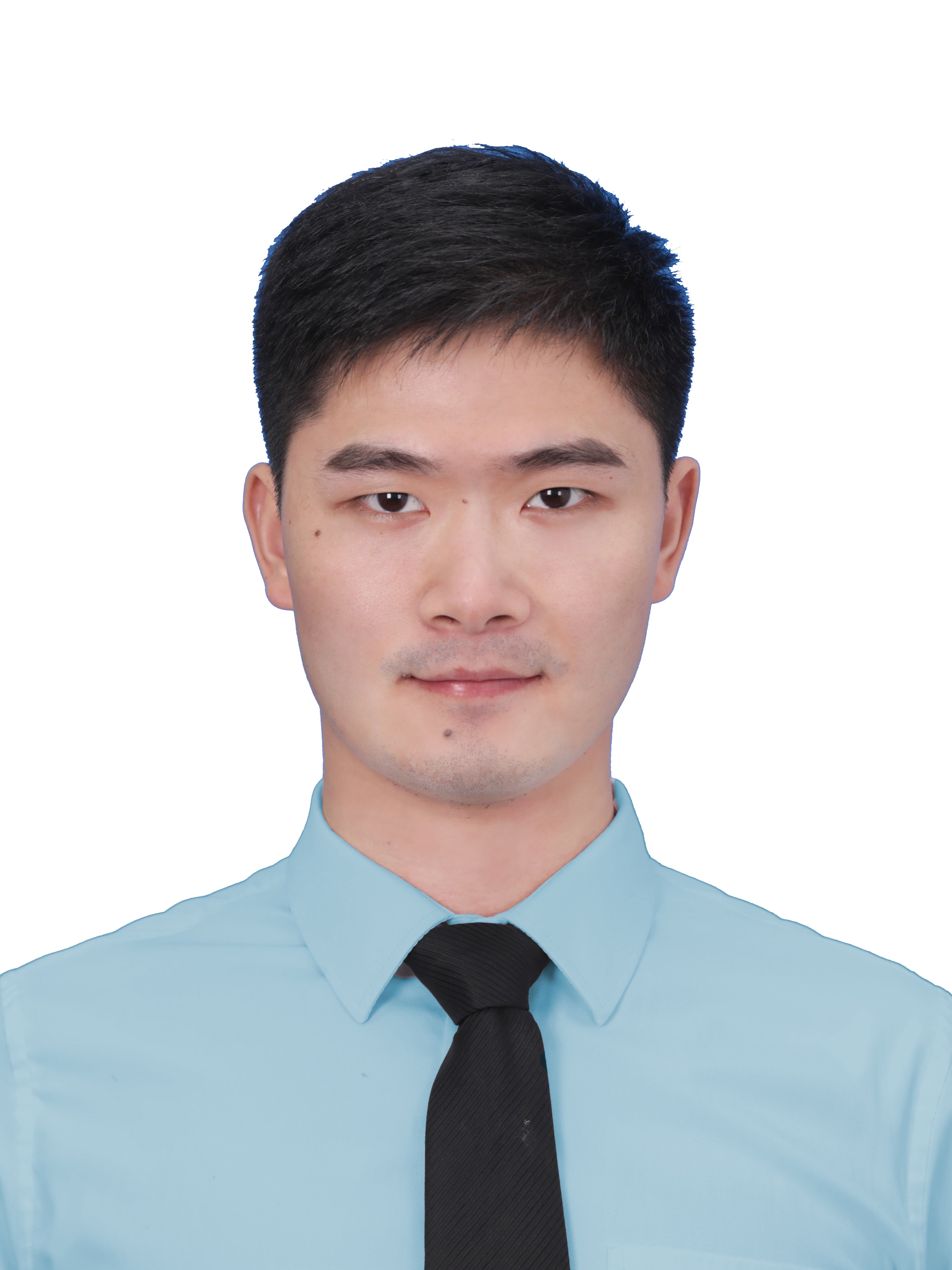 |
Binghua Li, Hangzhou International Innovation Institute, Beihang University, China Dr. Binghua Li is an Associate Professor at Beihang University (Hangzhou). His research interests lie at the frontier of AI4Science, specifically involving data-driven modelling, modal analysis, and turbulence flow control. He obtained his Ph.D. with the highest honor from the Universidad Politécnica de Madrid. He has published 14 peer-reviewed papers and co-authored a professional monograph on turbulence control. He has presided over or contributed to over 10 research initiatives, ranging from NSFC projects to industrial collaborations and international joint programs. He is a recipient of the Hangzhou Leading Talent and the Hangzhou CAST Young Talent Support Program. In addition to his research, he actively serves the academic community as a Junior Editor for TAML and acts as a reviewer for numerous prestigious journals including PoF, OE, and RESS. |
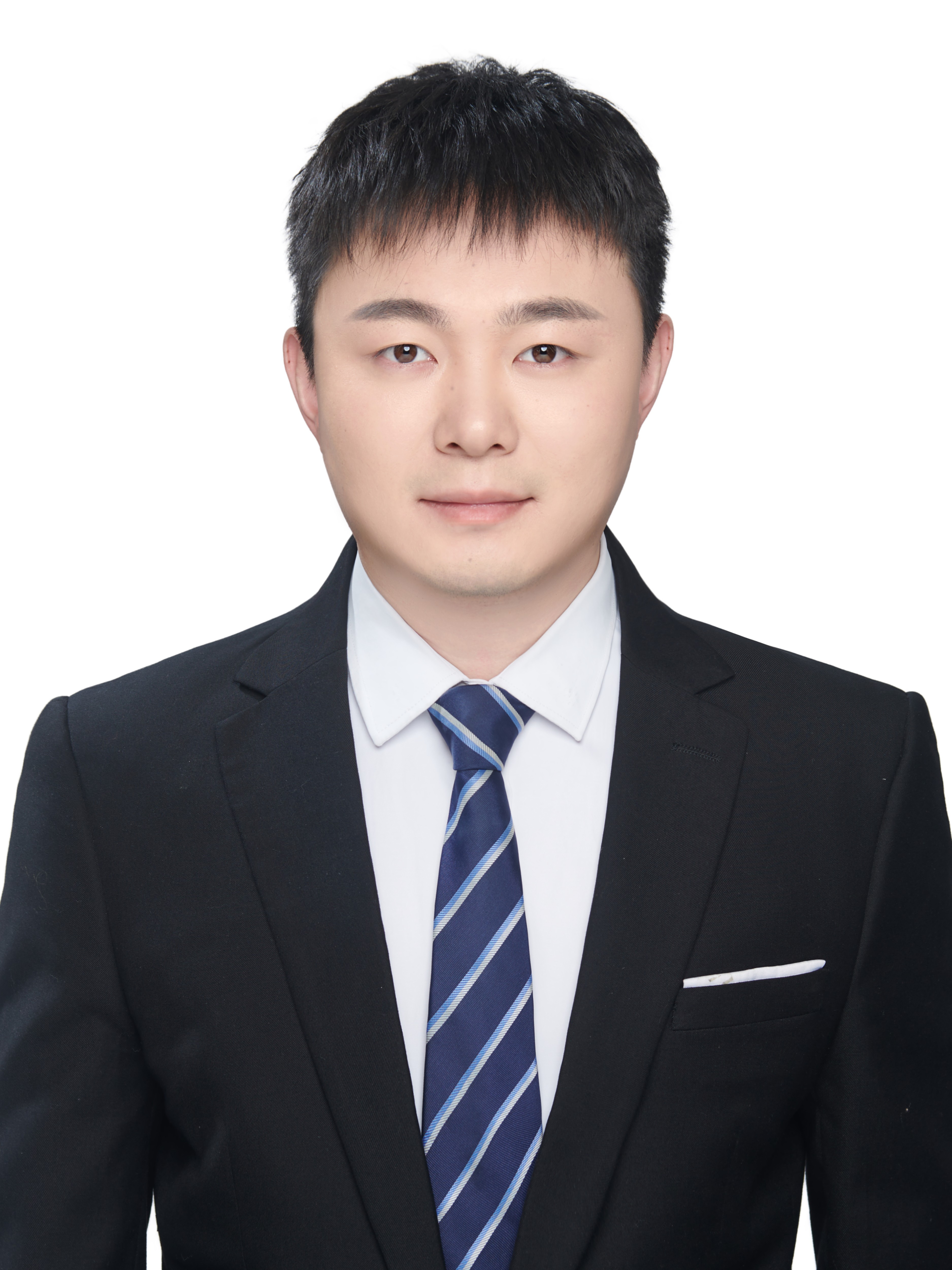 |
Yan Zhou, National University of Defense Technology, China Dr. Yan Zhou is an associate professor at the National University of Defense Technology. Focusing on the national strategic needs in hypersonic technology, he has long been engaged in fundamental research on synthetic jet-based control of high-speed complex flows. He has led 13 projects, including major programs from NSFC and the 173 Project, published 53 SCI-indexed papers (31 as first or corresponding author), authored three monographs, and obtained over 20 authorized invention patents. He has received three provincial/ministerial or academic society first prizes and was selected for the Hunan Province High-Level Talent Program "Furong Plan" Young Talents. He serves as a young editorial board member for journals such as TAML and holds youth committee positions in branches of the Chinese Society of Aeronautics and Astronautics and the Chinese Institute of Electrical Engineering. |
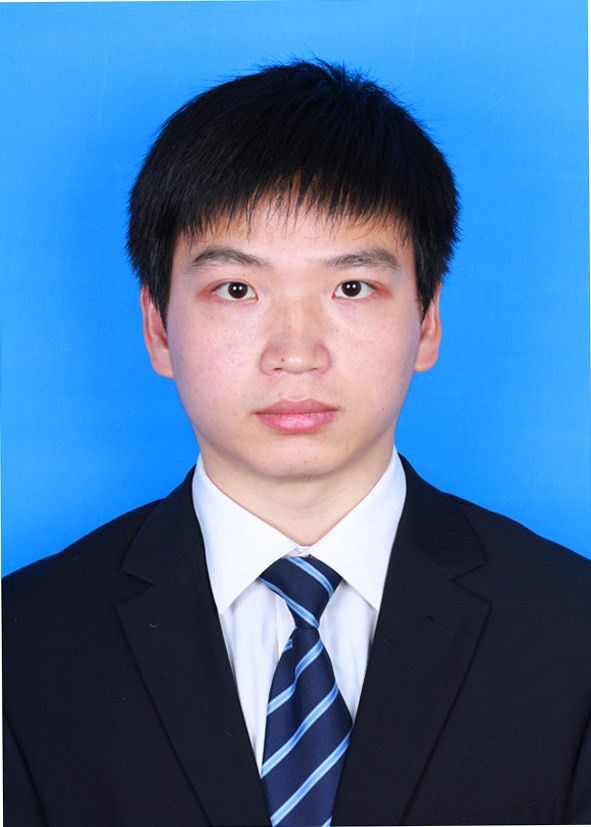 |
Yang Zhang, Zhejiang University, China Dr. Yang Zhang is an Associate Professor at Zhejiang University. His research primarily focuses on aerodynamic design and optimization. He has developed distinctive technical expertise in turbulent friction drag reduction, active/passive flow control, and high-precision numerical methods. Addressing the strategic demands of the low-altitude economy, he has extended his research to the development of efficient aerodynamic configurations for novel aircraft, circulation control wing design, and hybrid propulsion system integration. To date, he has published over 40 papers and authored one monograph. |
 |
Qiao Zhang, The Hong Kong Polytechnic University, China Dr. Qiao Zhang is a Postdoctoral Fellow at The Hong Kong Polytechnic University. She earned her Ph.D. under the supervision of Prof. Weiwei Zhang at Northwestern Polytechnical University. Her research focuses on the mechanisms of flow-induced noise, machine learning-based noise prediction, and related data-driven methodologies. Recently, Dr. Zhang has integrated causal analysis techniques to uncover the underlying physical mechanisms of transonic buffet, aiming to identify precise control targets for active and passive flow control. To date, she has authored 14 peer-reviewed journal articles and holds one authorized invention patent. She has also contributed to research projects funded by the Hong Kong Innovation and Technology Fund—Innovation and Technology Support Programme, among others. |
© MEAE 2018-2026. All Rights Reserved | Contact Us meae_conf@163.com